Summer School 2026 Daily Report – Day 1: Geopolitics, Climate Change, and the Global Arctic
The NVP International Summer School 2026 officially commenced at UNIS in Longyearbyen on Monday 8 June, bringing together PhD students and postdoctoral researchers from across the globe for ten days of interdisciplinary learning, discussion, and field experiences in Svalbard.
Following a welcome from NVP President Grete K. Hovelsrud, Professor Emerita of Environmental Sociology and former President of the International Arctic Social Sciences Association (IASSA), participants were introduced to the summer school programme by Bjørn P. Kaltenborn, Vice President of NVP and Senior Research Scientist at the Norwegian Institute for Nature Research (NINA). The participants were then welcomed to the University Centre in Svalbard (UNIS) by Managing Director Jøran Moen, who presented the institution and its unique role as an international hub for Arctic research and education. In his presentation, Moen highlighted some of the challenges currently facing Longyearbyen, including climate-related changes to infrastructure, water supply, and energy systems, illustrating how global environmental change is already affecting communities in the High Arctic.
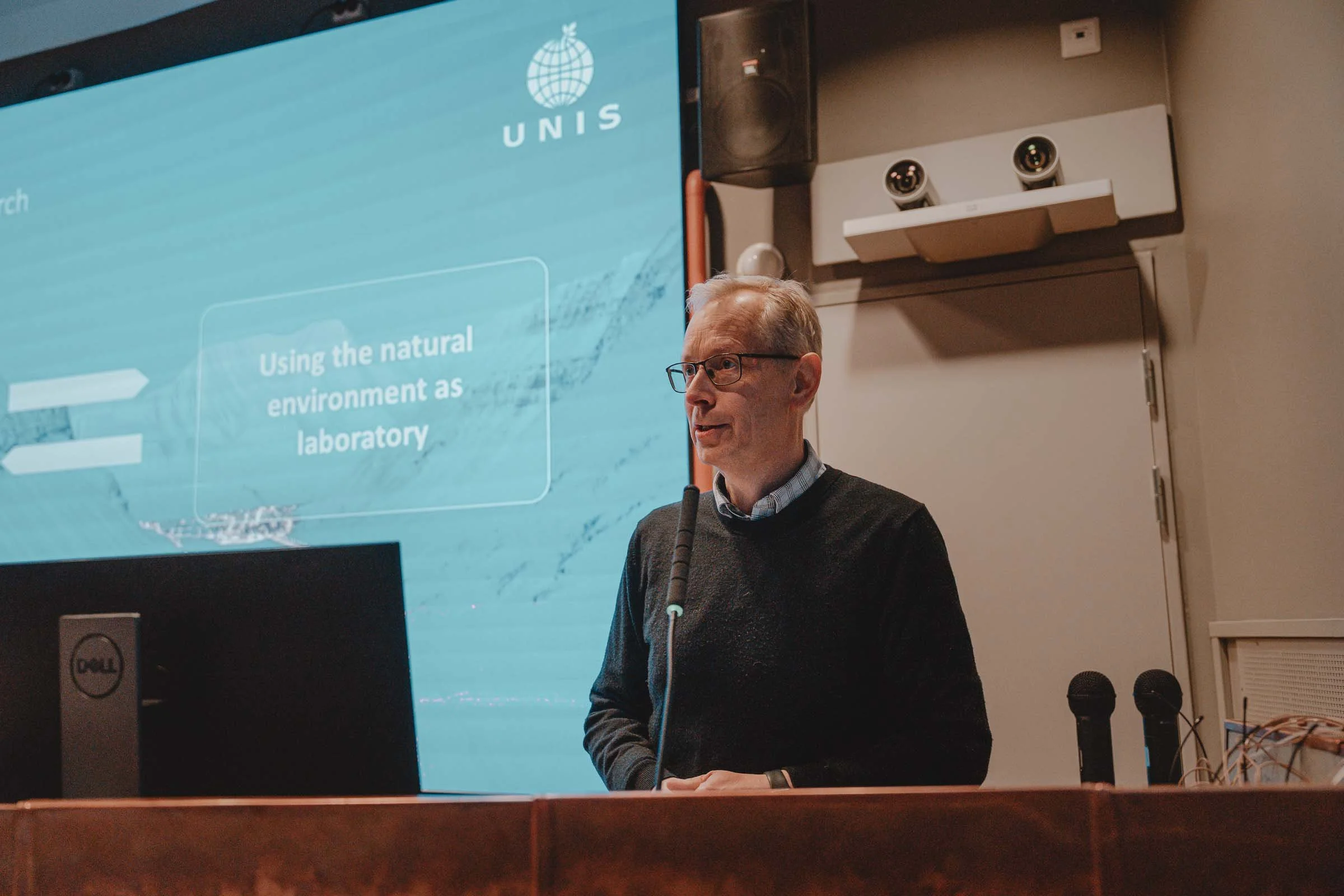
Jøran Moen, Managing Director of UNIS, presenting the University Centre in Svalbard and discussing current challenges and opportunities facing Longyearbyen. Photo: Ragnhild Utne / NVP
A central part of the day was devoted to student presentations. Participants represent universities and research institutions from Europe, North America, and beyond, bringing expertise from fields as diverse as glaciology, meteorology, oceanography, ecology, governance, security studies, science communication, Indigenous studies, computer science, tourism, and environmental humanities. Together, they reflect the interdisciplinary nature of the summer school and the growing recognition that understanding the Arctic requires perspectives from both the natural and social sciences.
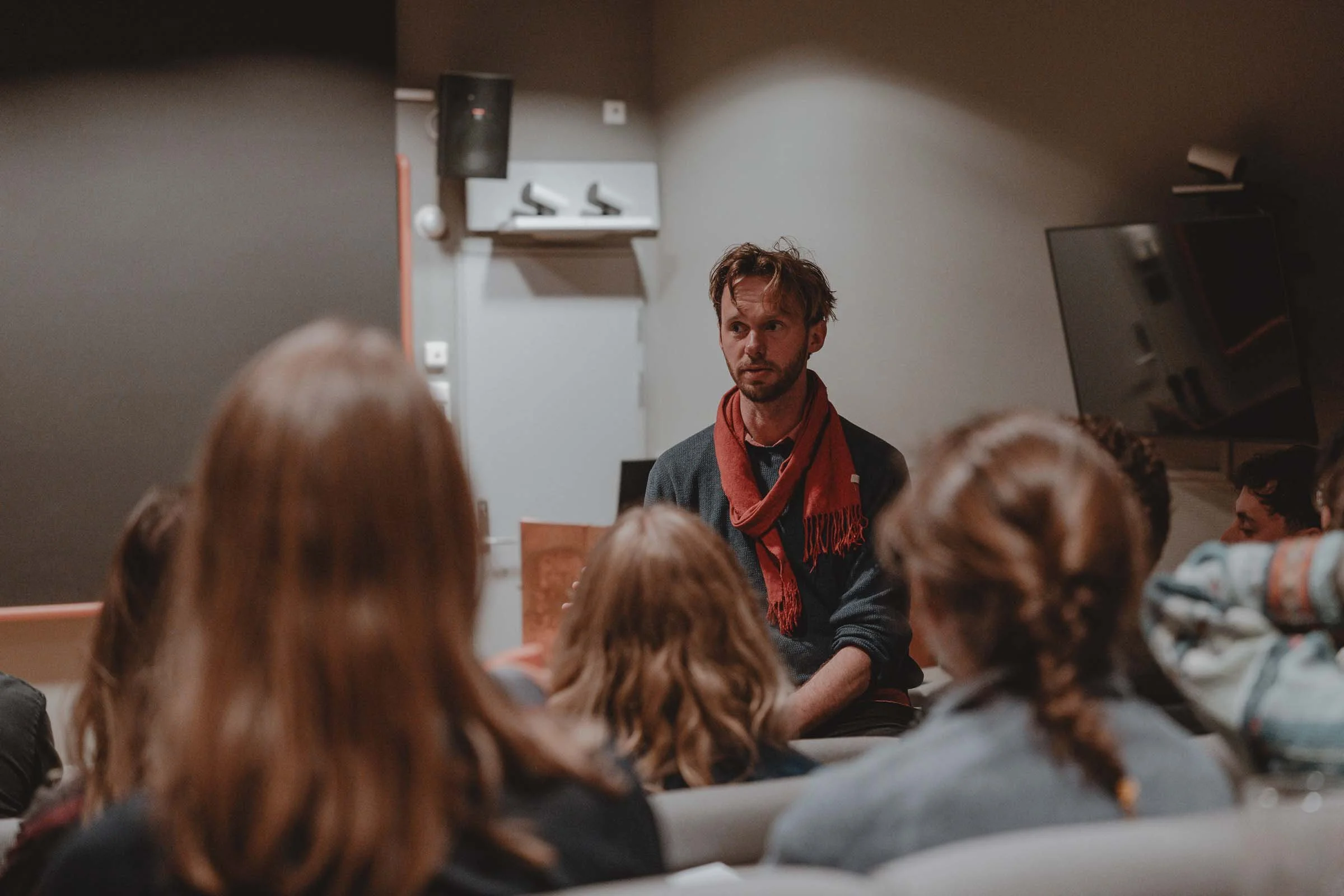
A summer school participant introducing their research and academic background during the student presentation session, showcasing the diverse expertise represented in the programme. Photo: Ragnhild Utne / NVP
The afternoon focused on two themes that will shape much of the work throughout the coming days: the strategic importance of the Arctic and the need for interdisciplinary approaches to understanding complex societal challenges.
In a lecture by Bjørn P. Kaltenborn on Svalbard’s strategic role in a changing Arctic, participants were introduced to the archipelago’s unique political and legal position, as well as the growing geopolitical interest in the region. Discussions ranged from climate change, shipping, and resource management to security policy, tourism, research infrastructure, and the future development of Longyearbyen. The lecture highlighted how environmental, political, and societal changes are increasingly intertwined in the Arctic, making Svalbard a focal point for both international cooperation and emerging tensions.
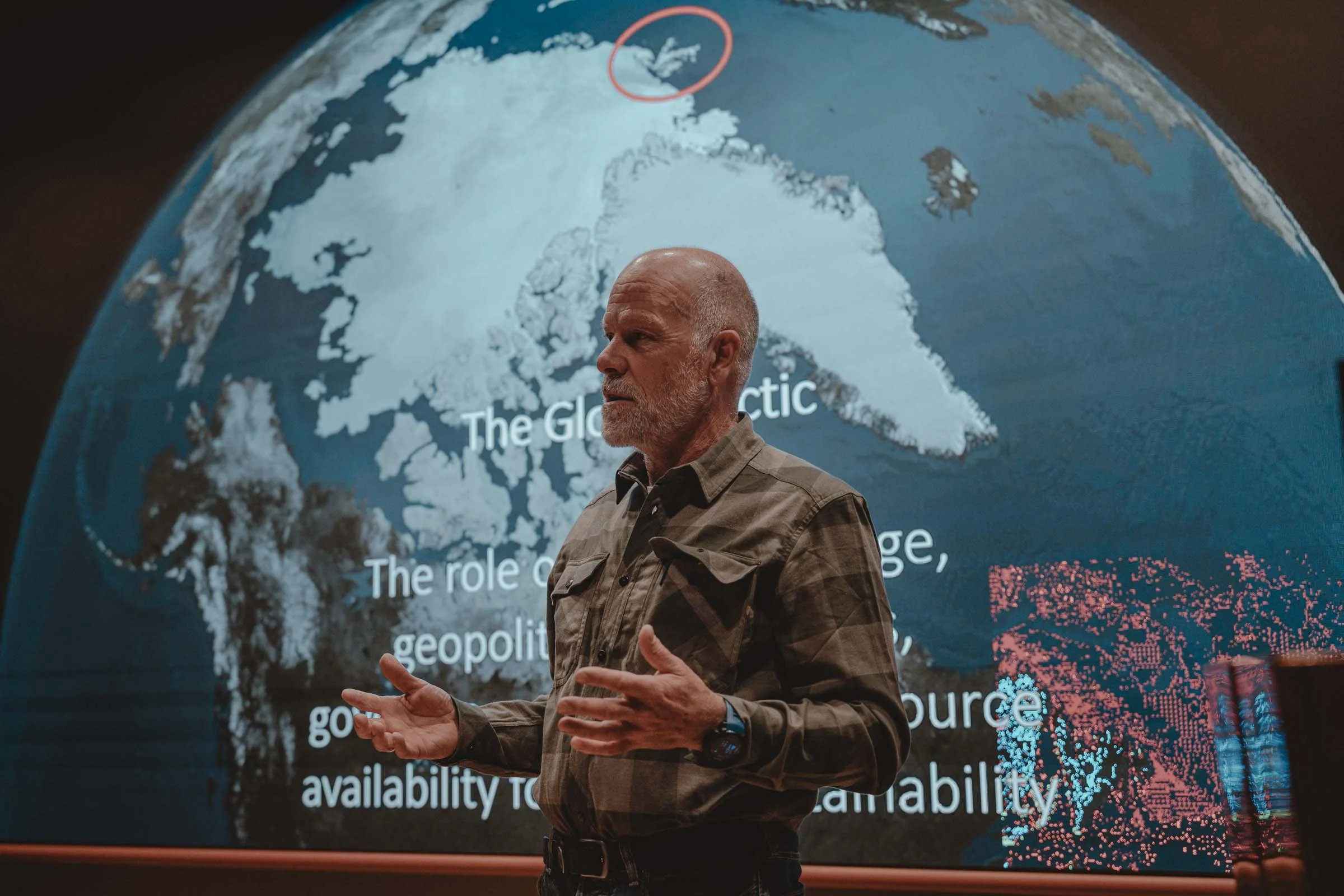
Bjørn P. Kaltenborn (NINA/NVP) discussing Svalbard’s strategic role in a changing Arctic, highlighting the interplay between geopolitics, environmental change, and international interests in the region. Photo: Ragnhild Utne / NVP
The day concluded with an introduction to transdisciplinary research, presented by Grete K. Hovelsrud, exploring how scientists, local communities, decision-makers, and other stakeholders can work together to address complex challenges. Participants discussed the differences between multidisciplinary, interdisciplinary, and transdisciplinary approaches, and reflected on how knowledge from different disciplines and experiences can be combined to create more relevant and useful research.
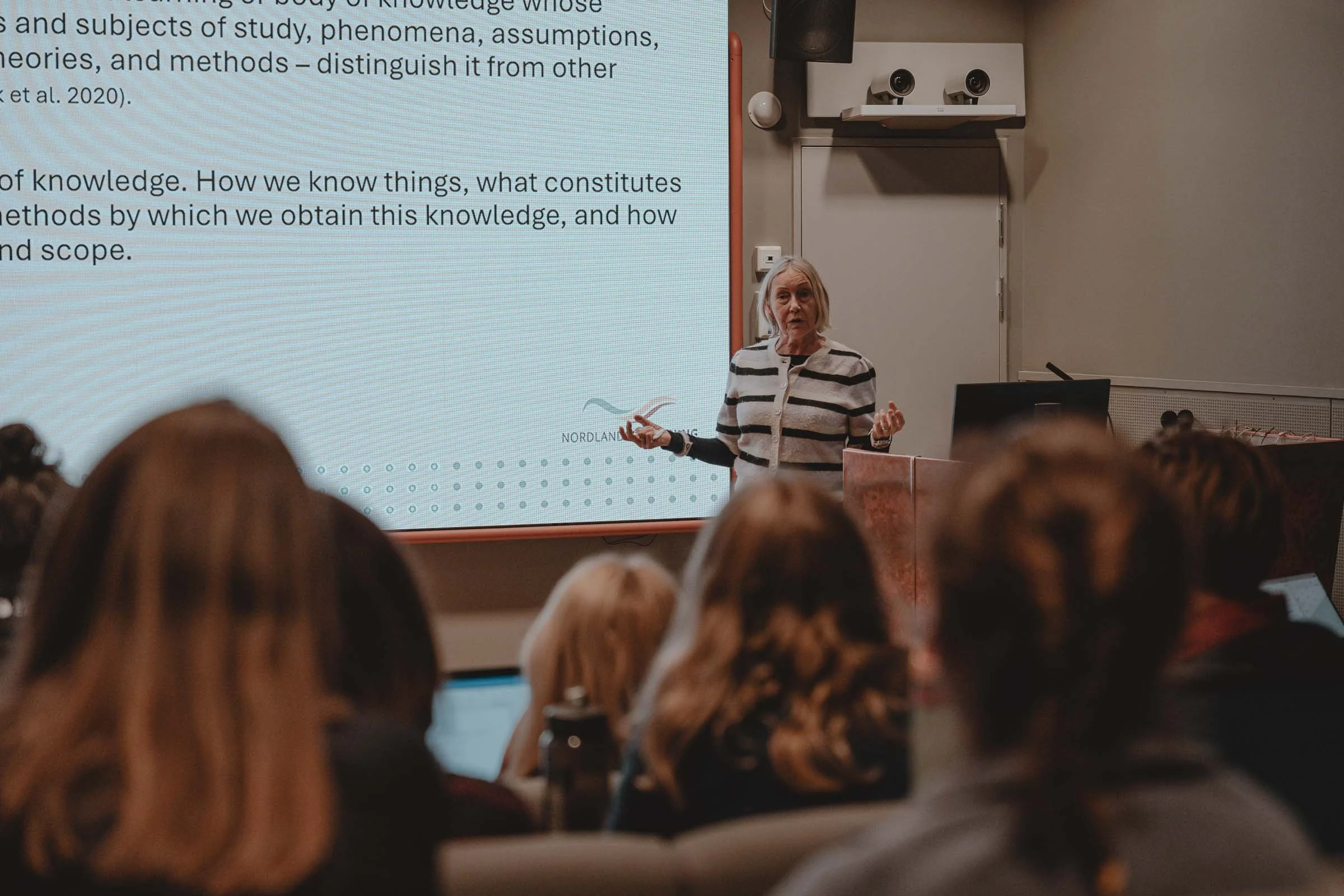
Grete K. Hovelsrud (NRI/NVP) introducing transdisciplinary research and exploring how scientists, local communities, and decision-makers can work together to address complex Arctic challenges. Photo: Ragnhild Utne / NVP
Taken together, the first day set the tone for the summer school: the Arctic cannot be understood through a single lens. Climate change, geopolitics, ecosystems, communities, governance, and knowledge systems are deeply interconnected, and understanding these connections will be at the heart of the discussions throughout the week.
Tomorrow, 9 June, the programme continues with a focus on climate change, environmental transformation, and geopolitics in the Arctic.