

Plastic in the Arctic
This article was published in Naturen (No. 5) in December 2025 (in Norwegian).
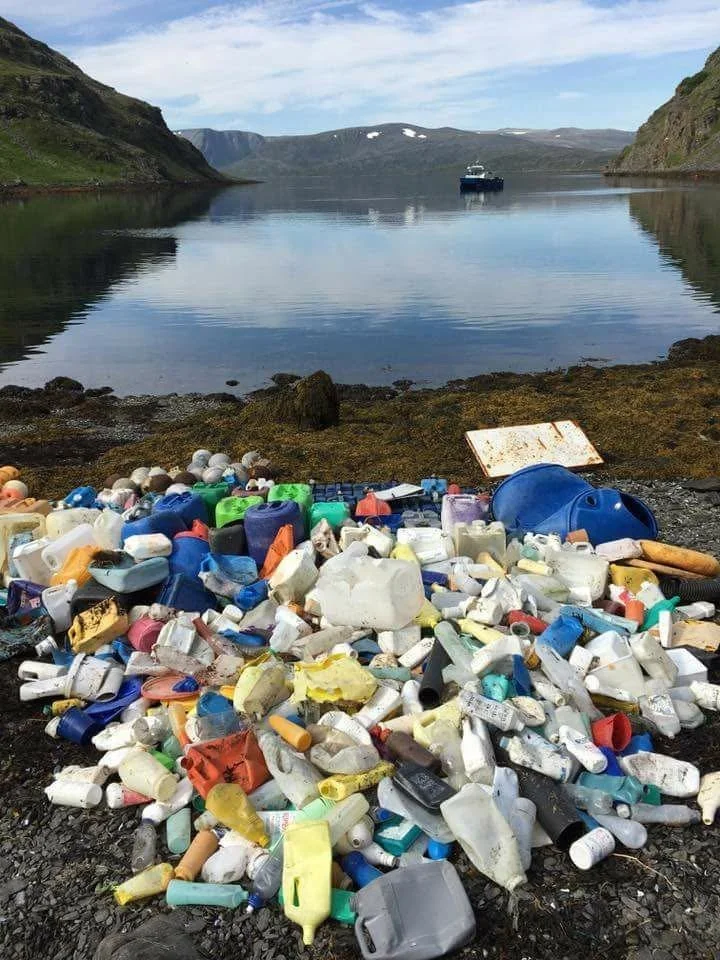
Figure 1. The picture shows the results of beach cleaning in Finnmark. Photo: John Gunnar Broks
Plastic pollution is found even in the Arctic. Plastics have been detected on the seabed, along the beaches and on land, as well as in soil, air, seawater, freshwater, sea ice, and snow. This article presents current knowledge about the sources and effects of plastic pollution in the Arctic. Plastic waste, microplastics, and nanoplastics affect both marine and terrestrial ecosystems, the cryosphere (ice and snow), and the atmosphere.
Pollution originates from local sources such as fisheries, shipping, aquaculture, waste disposal sites, wastewater, and industrial activities, including the oil and gas industry. In addition, plastics are transported to the Arctic from distant regions via ocean currents, the atmosphere, sea ice, and rivers. Once the plastics reach the Arctic, they accumulate in certain areas, impacting local ecosystems.
Recent research shows that birds and animals become entangled in plastics and ingest plastic particles through feeding. Plastic pollution therefore affects marine and terrestrial mammals, seabirds, fish, and invertebrates. In the coming years, it will be crucial to implement measures that reduce both the production and the use of plastics. In the Arctic today, there are neither established systems for managing plastic waste on land, nor for wastewater treatment. It is therefore important to develop and implement systems to manage plastic waste and prevent it from entering the natural environment.
Sources of plastics in the Arctic
Today, about four million people live in the Arctic. Given the relatively low population density, one might expect lower plastic emissions compared to more densely populated areas further south. However, studies in recent years show that plastic waste reaches both the sea and land throughout large parts of the Arctic.
Model studies indicate that most plastics enter the region via ocean currents from the North Atlantic and Pacific Oceans. Rivers are also an important source of micro- and nanoplastics. The Arctic Ocean, which accounts for about one percent of the world’s total ocean volume, receives around ten percent of river discharge from surrounding regions. Plastic transport to the Arctic is mainly driven by large-scale processes, such as ocean and air currents, while local conditions such as wind and sea drift influence distribution on a smaller scale.
Both modelling simulations and observational data show that certain areas in the Arctic act as accumulation zones for plastic pollution.
Local sources of plastic pollution in the Arctic are mainly linked to maritime activities such as fisheries, aquaculture, oil and gas operations, and shipping. A recent report shows that shipping activities in the Arctic, including fishing, transport, and tourism, increased by 35 % between 1979 and 2018.
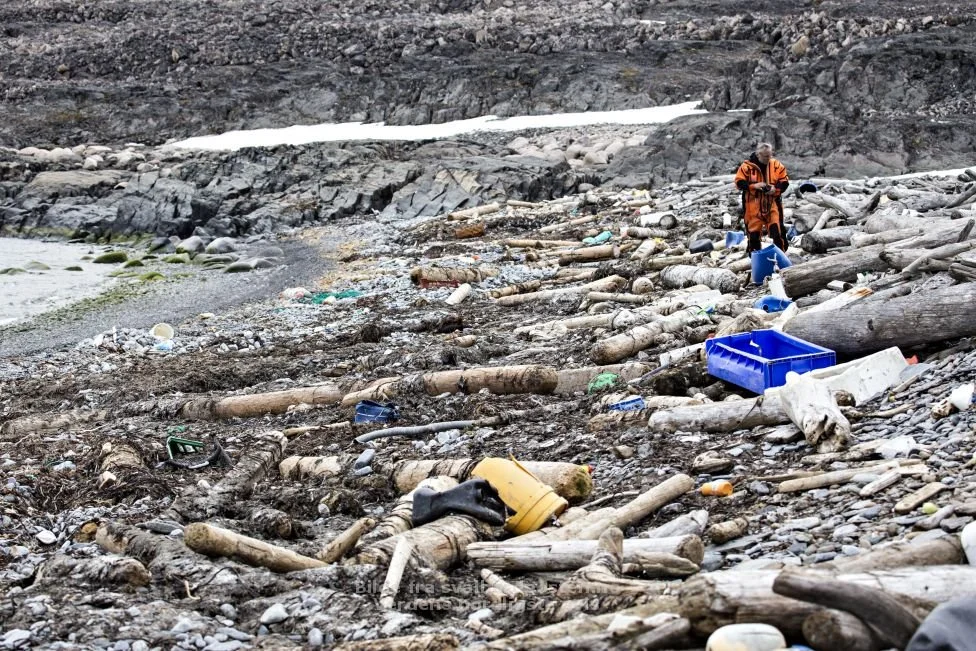
Figure 2. Cleaning a beach on Danskøya. Photo: Geir Wing Gabrielsen
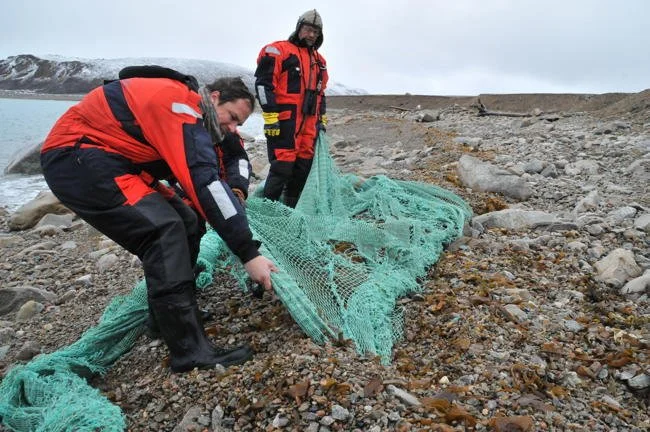
Figure 3. Cleaning fishing nets from a beach in the northern part of Svalbard. Photo: The Governor of Svalbard
Loss of fishing gear such as ropes, nets, and lines occurs especially in the North Atlantic and the northern Pacific. Studies of waste on Svalbard’s beaches show that much of the debris comes from fishing activity and accounts for 30–90 % of the plastics found. Fishing is also a major source of plastic pollution on beaches in Novaya Zemlya and Franz Josef Land. Most plastic waste in the European Arctic comes from Norwegian and Russian trawlers, but plastics stemming from vessels coming from England, Scottland, Iceland, the Faroe Islands, the Netherlands, Germany, and Spain have also been detected.
Findings of nets on Svalbard show that 80–90 % of such waste originates from net repairs or from nets snagged on the seabed. Nylon rope fragments that float in the sea before washing ashore mainly come from repairs onboard fishing vessels. Analyses also show that plastic containers, crates, and strapping bands are closely linked to fisheries and shipping.
Land-based sources also contribute significantly to plastic pollution, mainly due to inadequate waste management in small Arctic settlements. In several communities in Canada and Greenland, open dumps are located so close to the sea that plastics can easily blow or wash into the ocean. In the Canadian Arctic, plastic levels in the sea are seven times higher near settlements than in remote areas.
Microplastics transported by ocean and air currents, and by living organisms, originate from both distant and local sources. In northeastern Canada, they mainly derive from distant regions, though local emissions also contribute.
In Greenland (Nuuk, ~18,000 inhabitants) and Svalbard (Longyearbyen, ~2,500 inhabitants), local sources are the main contributors to microplastics in the sea. Both places use mechanical wastewater treatment, which leads to discharge of microplastics. Laundry has been identified as a key source of these microplastics. Similar emissions have been uncovered in the White Sea (Russia) and near Reykjavik (Iceland), where mechanical treatment also is in use.
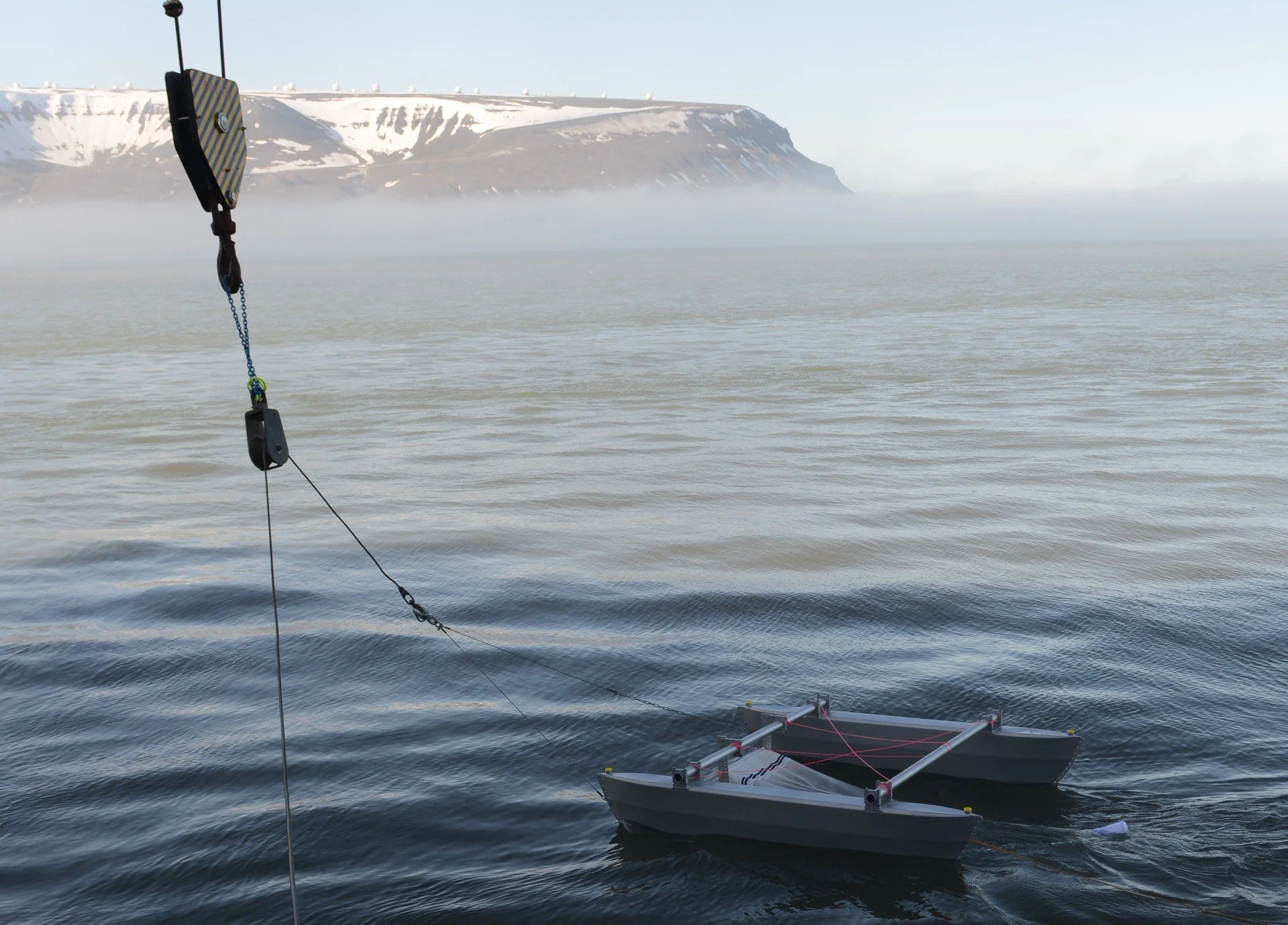
Figure 4. Microplastic sampling in seawater at the mouth of Adventfjorden in Svalbard. Photo: Geir Wing Gabrielsen
A treatment system combining mechanical and biological processes in Ny-Ålesund (Svalbard) has reduced microparticle emissions by 99 percent. This shows that effective treatment systems exist and work well.
Distribution and transport of plastic
Microplastics transported by ocean currents to the Arctic mainly originate from the North Atlantic, while input from the Pacific via the Bering Strait is smaller. Living organisms can also spread plastic and later excrete it.
Floating macroplastics are present on beaches across Svalbard, Novaya Zemlya, the Murmansk coast, northern Norway, eastern Russia, Alaska, northern Canada, and Greenland. The estimated number of floating microplastic particles in coastal areas is 200 to 498,000 particles per square kilometre. In Arctic sea ice, levels range from 32 000 to 12 million particles per cubic meter.
Model studies suggest that much of these microplastics originate from Siberian rivers flowing into the Arctic Ocean. During the formation of sea ice in the Kara and Laptev Seas in the autumn, they get trapped in the ice. They are then transported via the Transpolar Drift to the Fram Strait, where the ice melts during summer and autumn and releases the plastics.
Siberian rivers drain large areas with major cities, industry, agriculture, and untreated wastewater. Rivers such as the Ob and Tom contain high microplastic concentrations, and the Severnaya Dvina contributes significantly to the transport into the White Sea and further into the Eurasian Basin.
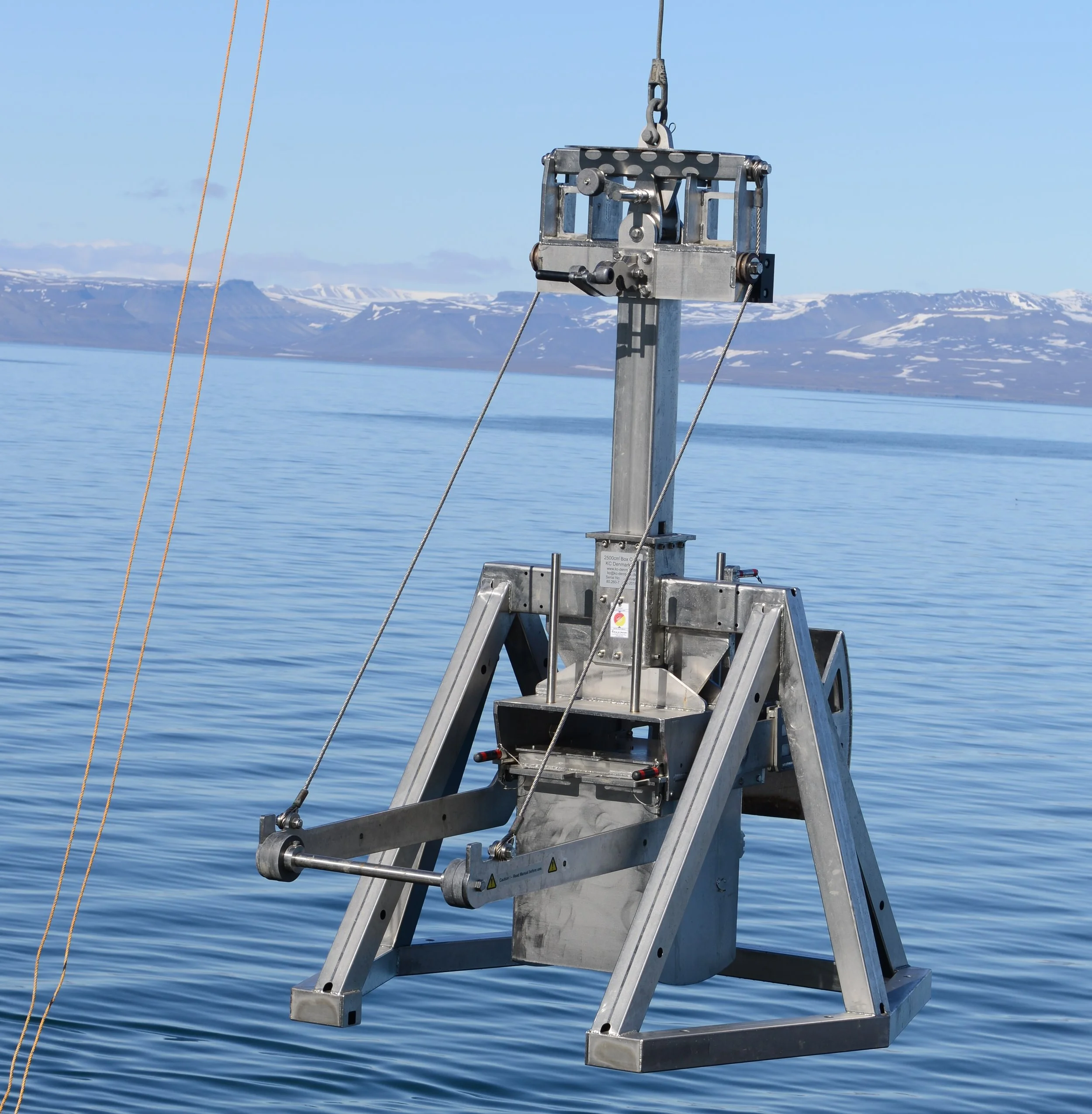
Figure 5. Microplastic sampling at the seabed along the western part of Svalbard. Photo: Geir Wing Gabrielsen
About half of the plastic emissions from settlements are estimated to sink to the seabed. Microplastics are also found in the water column, including in the Barents Sea and central Arctic Ocean. Seafloor pollution has been recorded widely, with concentrations ranging from 0 to 24,500 particles per square kilometre and increasing significantly in the Fram Strait between 2004 and 2017.
Atmospheric transport is another important pathway. Microplastics have been found in snow across the Arctic, with concentrations up to 14.4 million particles per cubic metre. Air transport is also believed to contribute microplastics to freshwater systems.
Effects of plastic pollution on Arctic animals
Animals entangled in plastic may become injured, immobilized, starve, or suffocate. Marine species that must surface to breathe may drown if trapped in ghost nets or abandoned fishing gear.
In Svalbard, species such as Arctic terns, geese, eiders, and diving seabirds have been found entangled. Similar cases have been recorded for seven seabird species in the Russian Arctic. Reindeer in Svalbard are also frequently found entangled in plastic waste.
A 2024–2025 study found 39 dead reindeer in Svalbard entangled in nets and straps along a short coastline — about one dead animal per 3.5 km. Other Arctic mammals, including polar bears, Arctic foxes, seals, have also been documented entangled.
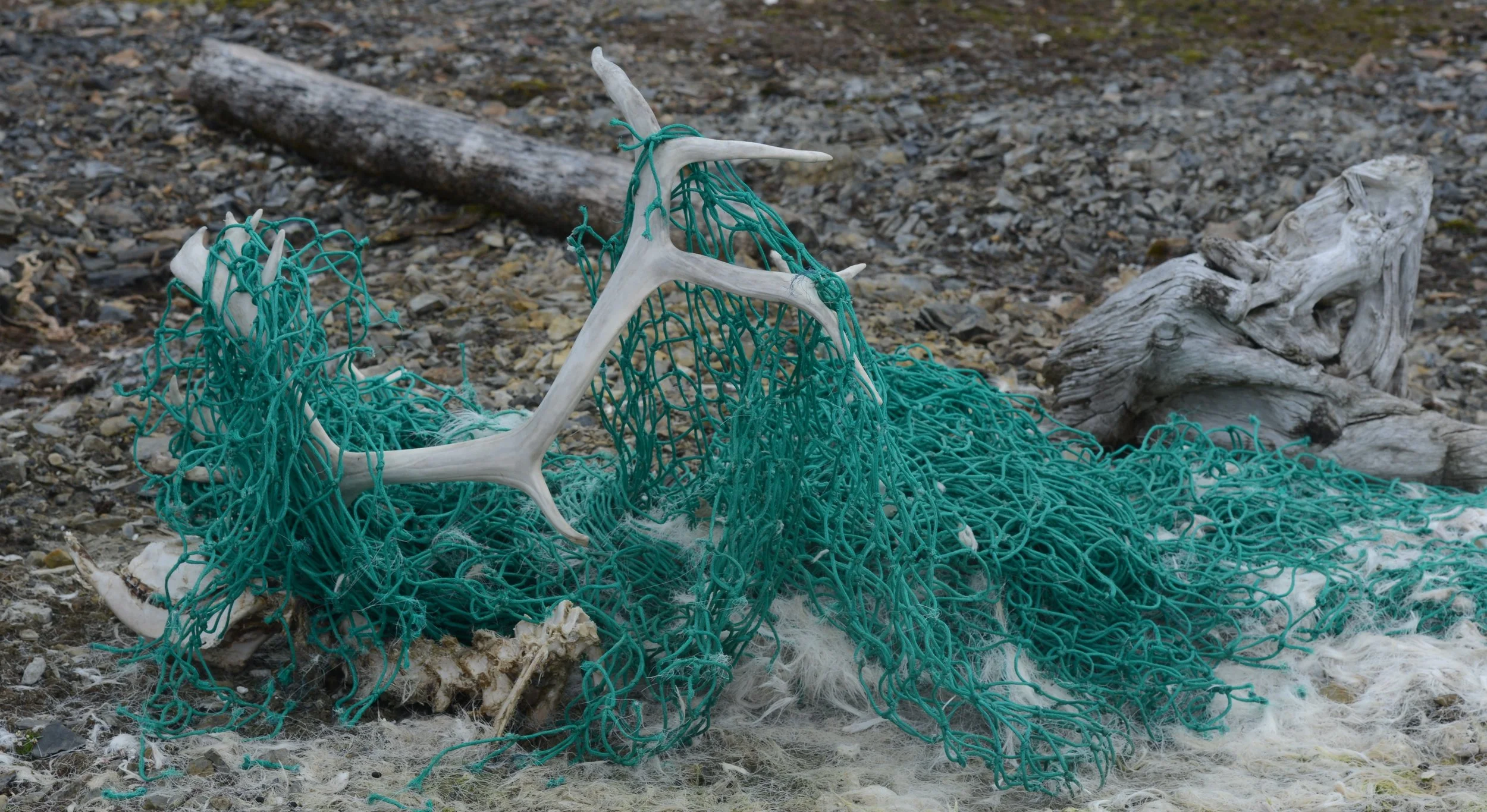
Figure 6. A dead Svalbard reindeer entangled in a fishing net at Kapp Mitra (the western part of Svalbard). Photo: Geir Wing Gabrielsen
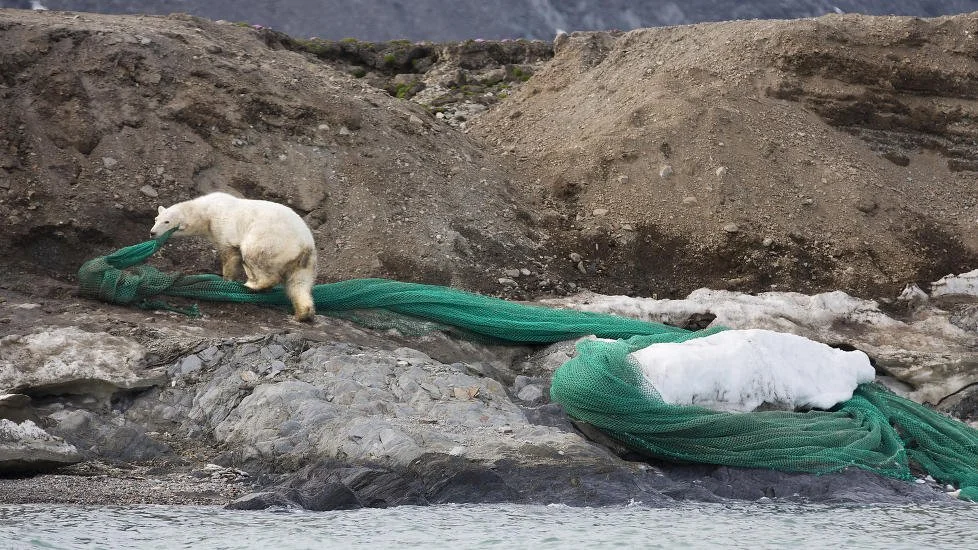
Figure 7. A polar bear entangled in a fishing net at the northern part of Svalbard. Photo: The Governor of Svalbard
Lost fishing gear is a major issue for fishes and crabs. Gear left on the seabed continue to trap animals for years on end. In 2018, Norwegian authorities retrieved 8,600 lost crab pots and 270 km of rope from the Barents Sea, containing about 15,000 dead animals.
Plastic ingestion is also widespread. Studies show:
~20% of king crabs and 40% of snow crabs had plastics in their stomachs,
<5% of fish had plastics in their stomachs,
<15% of seabirds had plastics in their stomachs.
Northern fulmars show the highest ingestion rates:
1 plastic item per bird in 1983,
35 plastic items in 2021,
96 items on average in chicks (2023), with one chick exceeding 400 items.
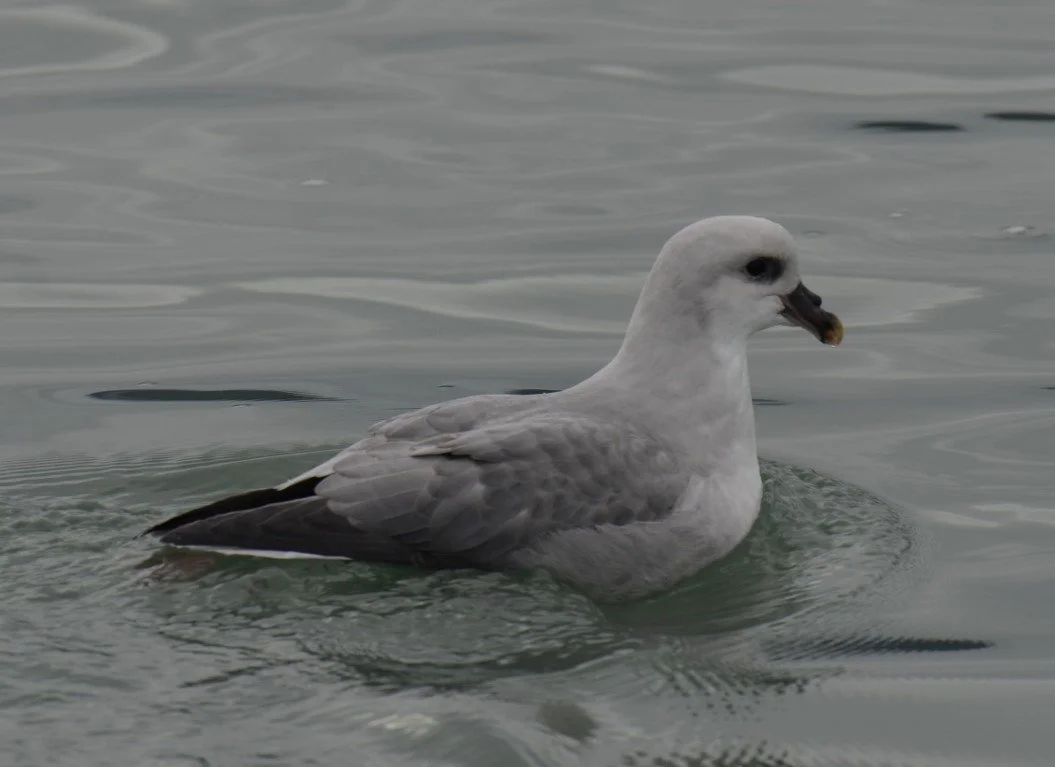
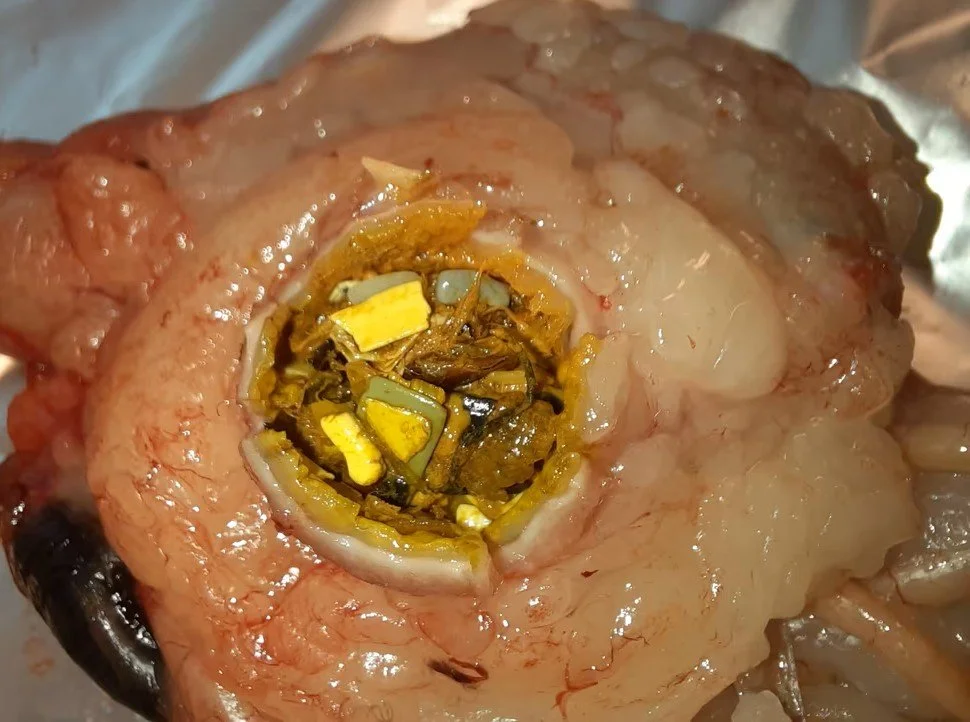
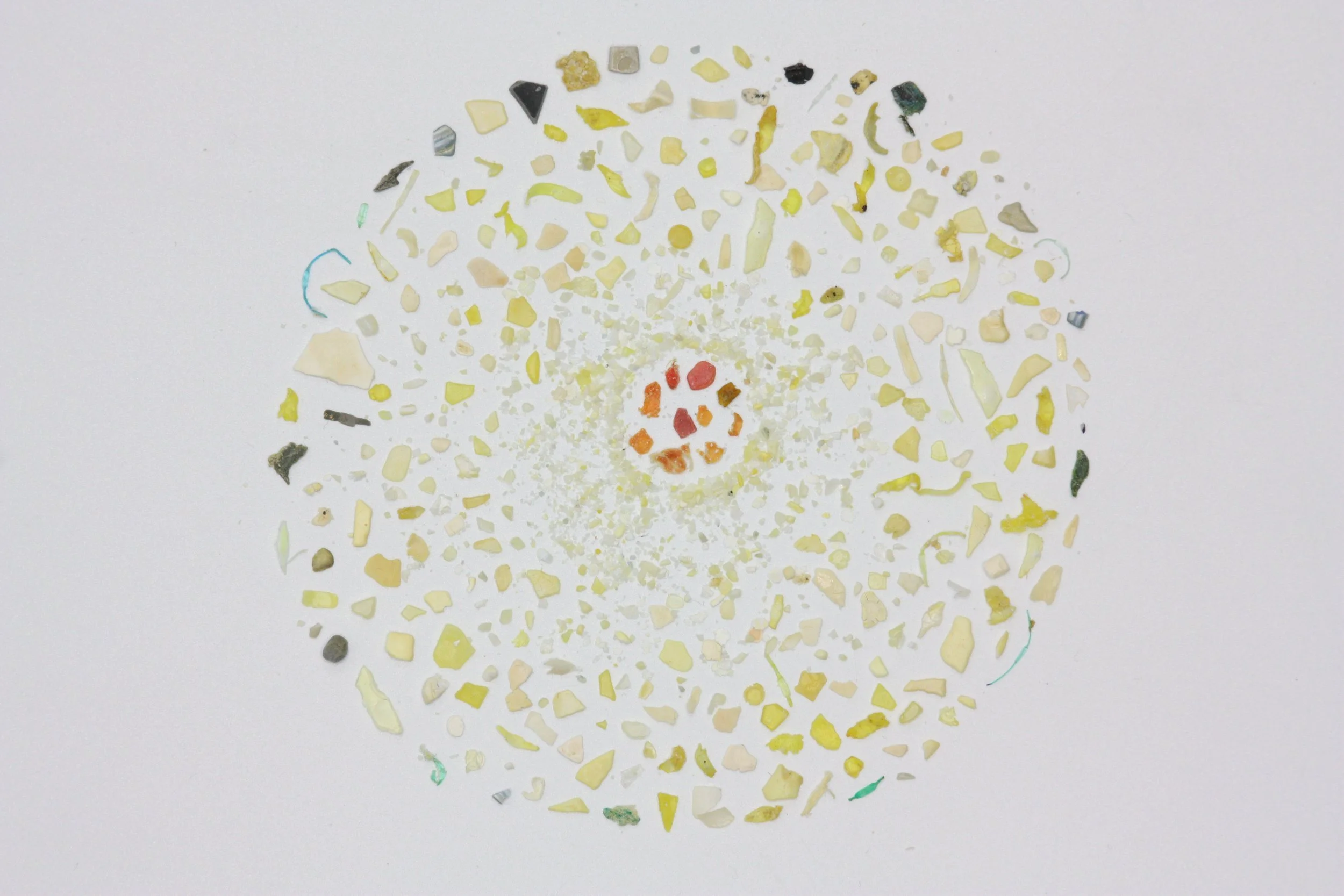
Figure 8. A fulmar chick is at sea after having spent 50 days on the nest (left). The stomach of fulmar chick (middle). The content of microplastics (402 plastic items) in a fulmar chick (right). Photos: Geir Wing Gabrielsen (left) and France Collard (middle and right).
Chicks receive plastics from parents via regurgitated food. This causes internal injuries, including punctures in the digestive tract.
Microplastics are also carriers of harmful chemicals. Biofilms on plastics bind pollutants and additives such as phthalates, flame retardants, bisphenols, and fluorinated compounds – many of which are toxic and can disrupt immune and hormonal systems.
There are limited studies on mammals, but plastics have been found in:
28% of polar bears in Alaska,
5% of Arctic foxes in Svalbard,
The stomach of whales (Sperm whale, fin whale, beluga whale, and bowhead whale) and seals (ringed seal, bearded seal, and harbour seals).
Mitigation measures
Plastic pollution is a global problem requiring both national action and international agreements. It results from increased production combined with inadequate waste management. Since much of the plastics is not part of a circular economy, global production must be reduced.
The only way to achieve this is through binding international agreements like the Paris Agreement or Montreal Protocol. In 2022, the UN Environment Assembly initiated work on limiting global plastic use, but progress has been slow due to conflicting national interests.
An effective agreement must cover the entire life cycle of plastics — from raw materials to waste — and include all forms such as pellets, microplastics, and nanoplastics. It must also protect biodiversity, ensure environmentally sound handling, and restrict harmful chemicals in production.