
New board member and deputy board member elected to the Polar Academy
At the Annual Meeting held in Tromsø on 15 April 2026, Professor Lise Øvreås was elected as a new Board Member of the Polar Academy. At the same meeting, Brit Lisa Skjelkvåle was elected as the Academy’s first Deputy Board Member following an amendment to the Academy’s statutes introducing the possibility of electing up to two deputy members to the Board.
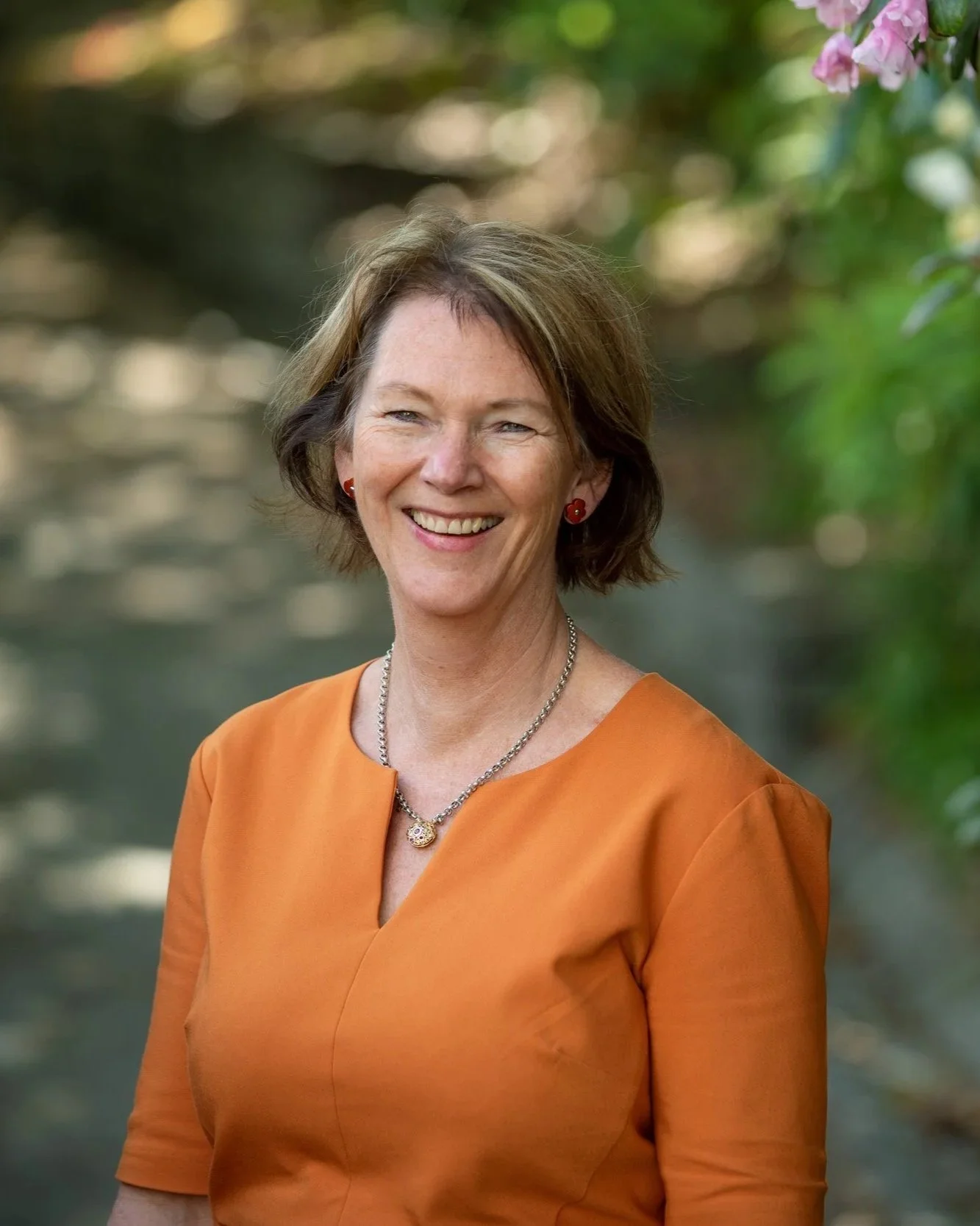
Board Member Lise Øvreås.
Photo: Eivind Senneseth
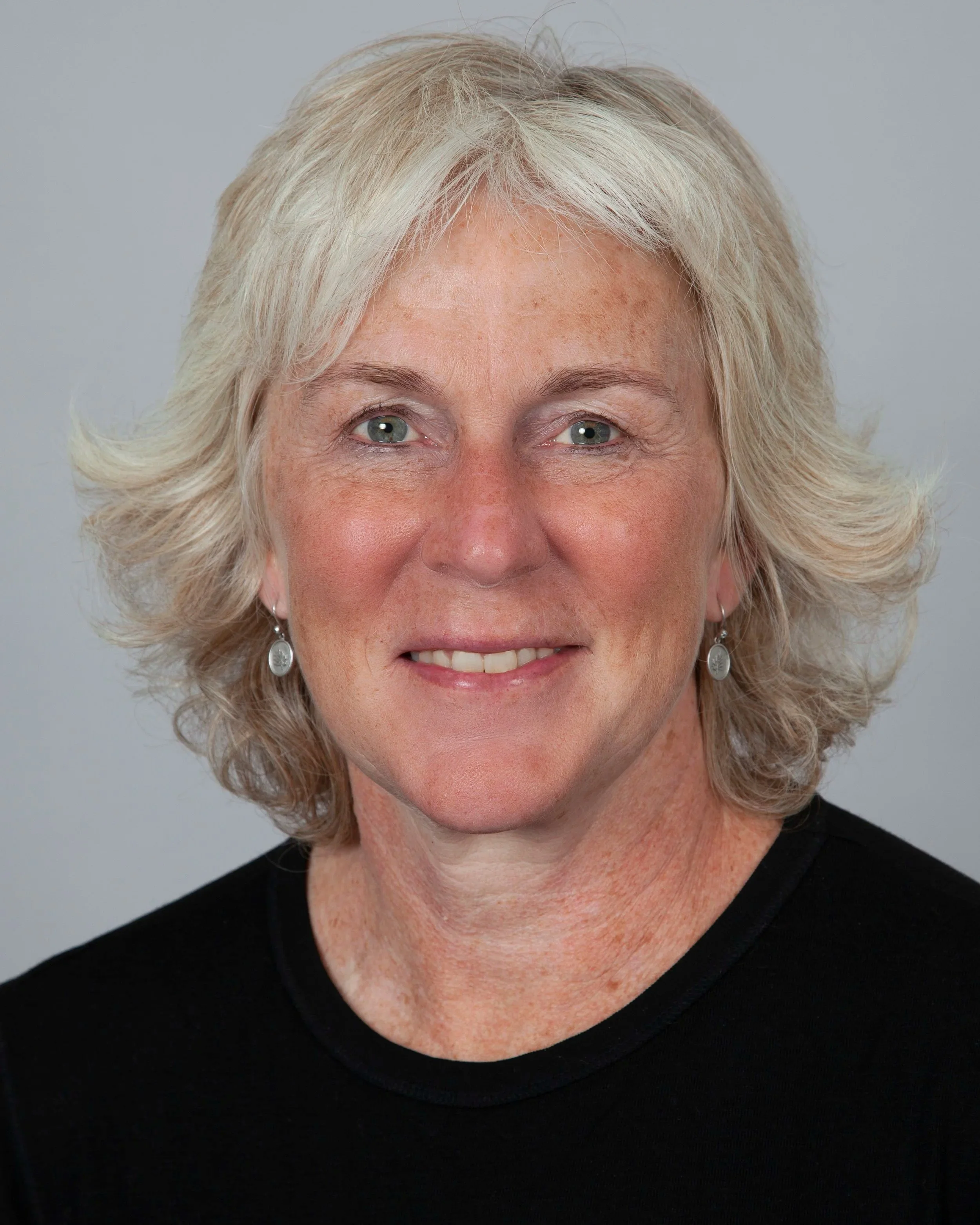
Deputy Board Member Brit Lisa Skjelkvåle.
Photo: University of Oslo
The new arrangement is intended to strengthen continuity and ensure the Board remains fully operational when ordinary Board members are unable to attend meetings. Deputy members may be called upon to serve in place of Board members when required and may also participate in Board meetings as observers.
Both Øvreås and Skjelkvåle emphasise the growing importance of polar research at a time when the Arctic is experiencing rapid environmental change and increasing geopolitical attention.
“Polar regions are changing rapidly and play a key role in global climate and environmental processes. The complexity of these challenges requires close collaboration across disciplines and national borders. That is why both polar research and strong academic networks are more important than ever,” says Lise Øvreås.
Øvreås has more than 25 years of research experience in the Arctic, focusing on climate and biodiversity. She previously served as President of the Norwegian Academy of Science and Letters (DNVA) and is currently President of the European Academies Science Advisory Council (EASAC). She looks forward to contributing her experience from the academy sector, international collaboration, and science-for-policy work to the Academy’s future activities.
For Brit Lisa Skjelkvåle, the appointment represents an opportunity to continue a long-standing engagement with Arctic issues that began during fieldwork in Svalbard in the early 1980s.
“The Academy can play an important role in bringing together and strengthening Norwegian polar research. The opportunity to contribute to this work is a strong motivation for me,” she says.
Skjelkvåle brings extensive experience from both the research institute sector and universities and currently works at the Natural History Museum, University of Oslo. She hopes to contribute perspectives from natural history and collection-based research, as well as her experience with interdisciplinary collaboration.
Both newly elected representatives highlight the importance of independent research and international academic cooperation in addressing the major environmental and societal challenges facing the polar regions. Through their complementary expertise and experience, they will contribute to strengthening the Academy’s work in promoting knowledge about the Arctic and Antarctic and the role of science in society.
The Board and Secretariat warmly welcome Lise Øvreås and Brit Lisa Skjelkvåle and look forward to working with them in the years ahead.